
Tungsten Pricing and Trade
Current Market Situation
2025 has been an interesting year in the tungsten market. In the current time of trade conflict, China restricted exports of tungsten materials with new licensing requirements. With the overall global supply constrained, prices are up about 250% since the beginning of the year, and have shown no signs of stopping. This post will review how tungsten pricing is determined and how material is traded.
Tungsten Pricing References
Although tungsten is a strategic mineral, it is also a minor metal. The demand for tungsten is low relative to base metals like nickel, zinc or lead. As a result, commodity exchanges do not trade tungsten ores, concentrates or other intermediary products. Trading occurs on a negotiated basis between the parties involved. Price references for tungsten concentrates are based on private transactions. Companies such as Argus Media, FastMarkets and Shanghai Metals Market have regular contact with industry sources to ask for current offer prices in the market and report a range with a high and low price. The price of APT is the most common reference material. Many long-term contracts will be based on the APT price in one of the published references.
Tungsten Ore Pricing
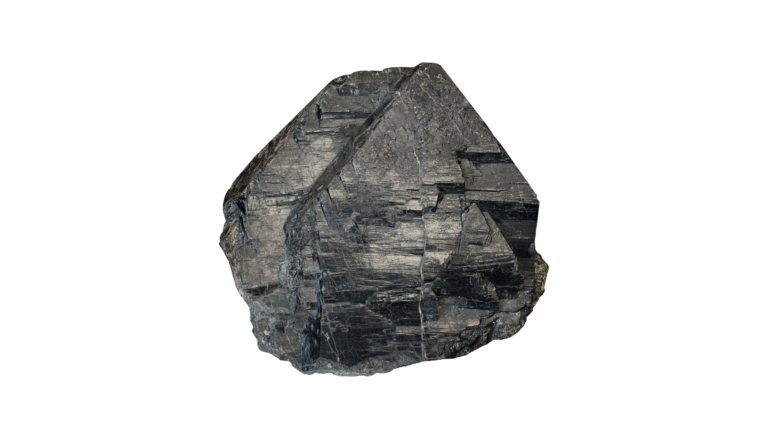
Tungsten ore is mainly in the form of wolframite ((Fe,Mn)WO4) or scheelite (CaWO4). Mines are typically underground hard rock mines, but there are several open pit tungsten mines operating. Up to 80% of the world’s tungsten ore has historically been mined China. There are active mines throughout the world in Africa, Asia, Europe and South America.
Tungsten ores and concentrates sell on the basis of their tungsten oxide (WO3) content. The ore undergoes gravity separation to concentrate it at the mine. A chemical flotation process can remove additional impurities to increase the concentration before shipping. The industry standard for first grade tungsten concentrates is a minimum of 65% WO3. Lower grade concentrates may be available at reduced prices, but may need to be blended with higher grade concentrates.
Tungsten Concentrate Pricing
The level of specific impurities that are difficult to process also impact the value. Tungsten concentrates with high levels of elements such as arsenic and molybdenum or radioactive elements like thorium and uranium will be priced lower.
The trade in tungsten concentrates has decreased since many of the companies controlling the mine output have vertically integrated to produce tungsten intermediates. China has prohibited the export of tungsten concentrates for many years to sell value added intermediate products, allowing them significant control over pricing. The most common of the intermediates are ammonium paratungstate (APT), ammonium metatungstate (AMT) and tungsten oxides such as yellow tungsten oxide (YTO) and blue tungsten oxide (BTO).
Units of Trade
In international markets the unit of measurement for tungsten concentrates is the metric ton unit, or mtu. An mtu is 1% of a metric ton. Both tungsten concentrates and intermediates such as APT, BTO and YTO use the mtu as the standard measure.
One Metric Ton (MT) = 1000 kg
One Metric Ton Unit (mtu) = 10 kg
Being sold on the basis of the tungsten oxide (WO3) content, 1000kg of concentrate containing 65% WO3 would be valued at 650kg of WO3 content. The value of the shipment would commonly be 650kg x APT Price.
Buffalo Tungsten and our affiliate Wolfram purchase both tungsten concentrates and tungsten intermediates. If you have these materials available you can contact us.